Internship · AI Governance & Cybersecurity
GovTech Singapore
Supported public-sector AI governance and cybersecurity work through research, technical memos, and playbook development.
UCLA Mechanical Engineering · Motorsport · Data Analytics
Engineering better decisions through data.
I build analytical workflows for race telemetry, vehicle performance, sports analytics, and user behaviour. The goal is simple: turn complex datasets into clear, actionable insight.
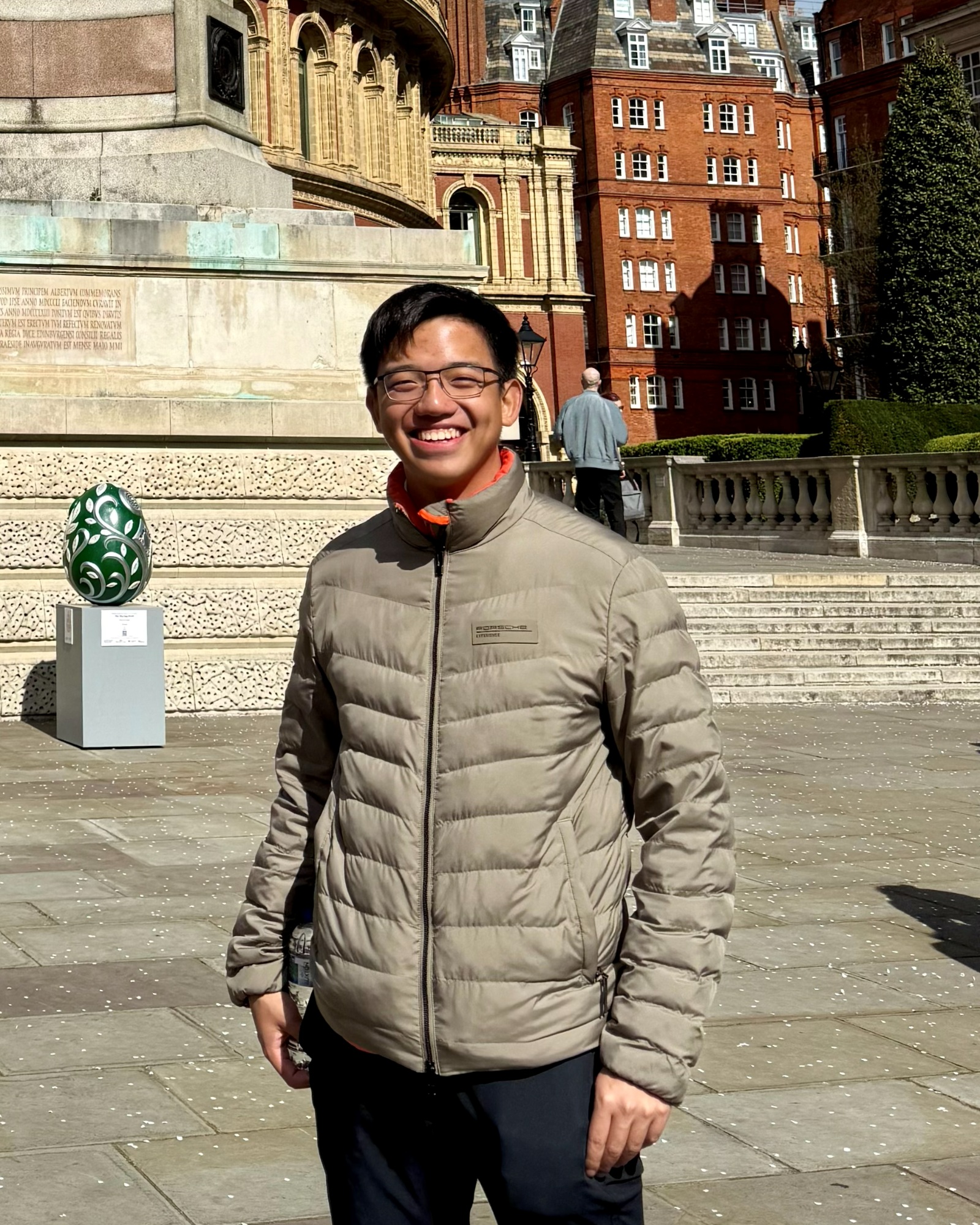
I am a UCLA Mechanical Engineering student from Singapore, class of 2028, interested in applying data analysis, machine learning, and mechanical design to motorsport and automotive engineering. After completing two years of National Service with the Singapore Army, I moved to the U.S. to study at UCLA and have developed projects spanning motorsport, data analysis, and sports analytics.
Outside of engineering, I enjoy playing golf and tennis, following motorsport and basketball, and organising canyon drives along Angeles Crest Highway and Mulholland Highway with Bruin Auto Club.
| School | UCLA |
|---|---|
| Degree | B.S. Mechanical Engineering |
| GPA | 3.8 |
| Hometown | Singapore |
| Campus involvement |
|
| Key coursework |
|
Selected experience in motorsport telemetry, AI governance, operations, machine learning, and applied analytics.
Supported public-sector AI governance and cybersecurity work through research, technical memos, and playbook development.
Served in logistics and equipment support roles during Singapore National Service, coordinating supply, equipment readiness, and operational support.
Supported data digitisation, auditing, and circulation research.
Working with UCLA's Formula SAE team on vehicle dynamics and telemetry analysis, with the work documented below as a series of case studies.
Predicting NBA Game Outcomes
Comparison of machine-learning models using historical NBA data.
DataRizz: Dating App Analysis
Consumer analytics project examining reviews, sentiment, and profile behaviour.
Distance in Modern Golf
Published sports-analytics article on PGA Tour driving distance, official earnings, and strategic value.
Independent analysis of Formula 1 race strategy using FastF1 and OpenF1 data across multiple race case studies.
UCLA Formula SAE · Vehicle Dynamics & Telemetry Analysis
I am working with Bruin Formula Racing on vehicle dynamics and telemetry analysis, focusing on turning early-stage Formula Student sensor logs into usable engineering insight. The work spans data cleaning, channel validation, motor-torque response, thermal response, and endurance-style analysis.
Data cleaning, channel validation, and analysis limitations
Audited a 347-channel telemetry log to identify usable inverter, BMS, coolant, thermal, and IMU signals, excluding invalid GPS, wheel-speed, VCU, tyre, brake, and damper data from performance conclusions.
Torque tracking, RPM usage, and operating-region analysis
Analyses how accurately the inverter delivered requested torque and where the motor operated during dynamic running. The study compares torque command and feedback, identifies common RPM and torque ranges, and quantifies the system’s operating behaviour.
Battery, inverter, coolant, and thermal-load behaviour
Tracks how validated battery, inverter, coolant, and power-module temperatures changed during a 93.6-second dynamic-running segment. The analysis compares short-term temperature rise, cooling behaviour, and the relationship between motor demand and inverter heating.
Independent Analysis · Public Data
Historical Formula 1 strategy studies built from publicly available data. Each case reconstructs a decision, tests its trade-offs, and separates what the evidence supports from what it cannot prove.
Personal research
Not affiliated with Formula 1 or any Formula 1 team
A data-led reconstruction of Mercedes’ late VSC stop, the fresh-medium break-even calculation, and the Sainz–Norris DRS defence that decided the race.
A data-led reconstruction of Verstappen’s wet-weather recovery, the Lap 28 stay-out decision, the red-flag benefit, and the pace that converted track position into victory.
A data-led reconstruction of Red Bull’s Lap 32 second stop, the tyre offset that powered Verstappen’s recovery, Mercedes’ response window, and whether staying on the hard tyre remained viable.
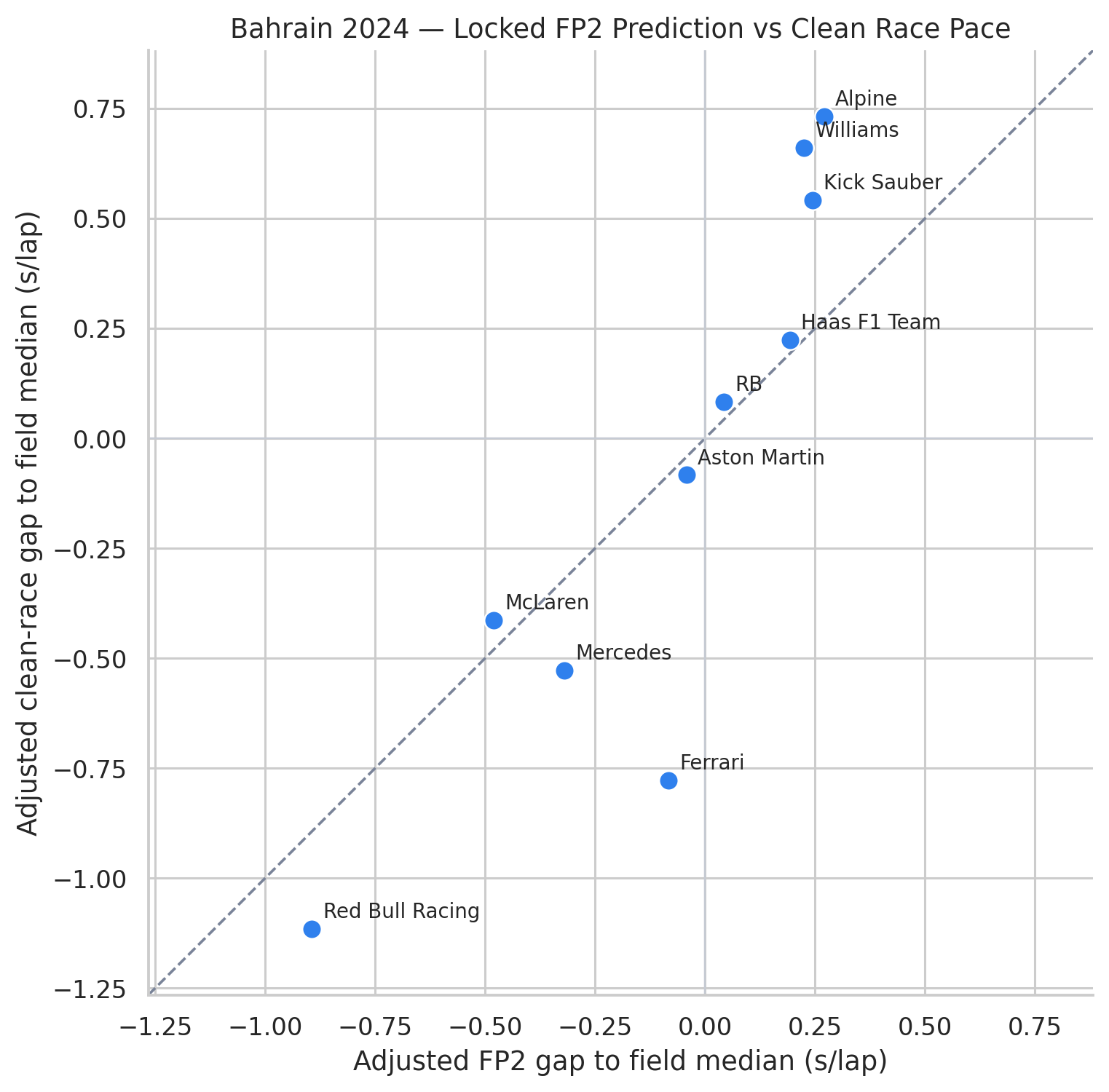
A locked FP2 long-run model compared with a separately constructed, traffic-filtered race-pace estimate, accounting for tyre compound, tyre age, track temperature and session progression.
Bahrain pilot · 20 drivers · 10 constructors · 539 retained race laps
Full project write-ups for the rideOS, DataRes, and Bruin Sports Analytics work referenced above.
Predicting NBA Game Outcomes
Sports machine-learning research project using NBA game data, engineered statistical features, and WEKA classifiers to test outcome prediction.
Highlight: Processed 1,200+ games and compared models with F-measure across J48, Naïve Bayes, logistic regression, and KNN-based methods.
DataRizz: Dating App Analysis
Collaborative consumer analytics project using sentiment analysis and data visualisation to understand dating-app reviews, profile behaviour, and engagement patterns.
Highlight: Applied VADER sentiment scoring and visual analysis to compare Tinder, Hinge, and Bumble user experience trends.
Distance in Modern Golf
Published sports-analytics article examining whether PGA Tour driving distance is associated with official earnings and what distance means strategically.
Highlight: Regression found only a weak relationship with official earnings; distance creates opportunities but does not explain overall tournament success.
Approximate handicap: 10 (unofficial)
Approximate UTR: 5 (unofficial)
Spa-Francorchamps · Nürburgring Nordschleife · Buttonwillow
The best way to reach me is by email or LinkedIn.